
deep dive tech single source: Quanta Magazine
Artistry Under Algorithm
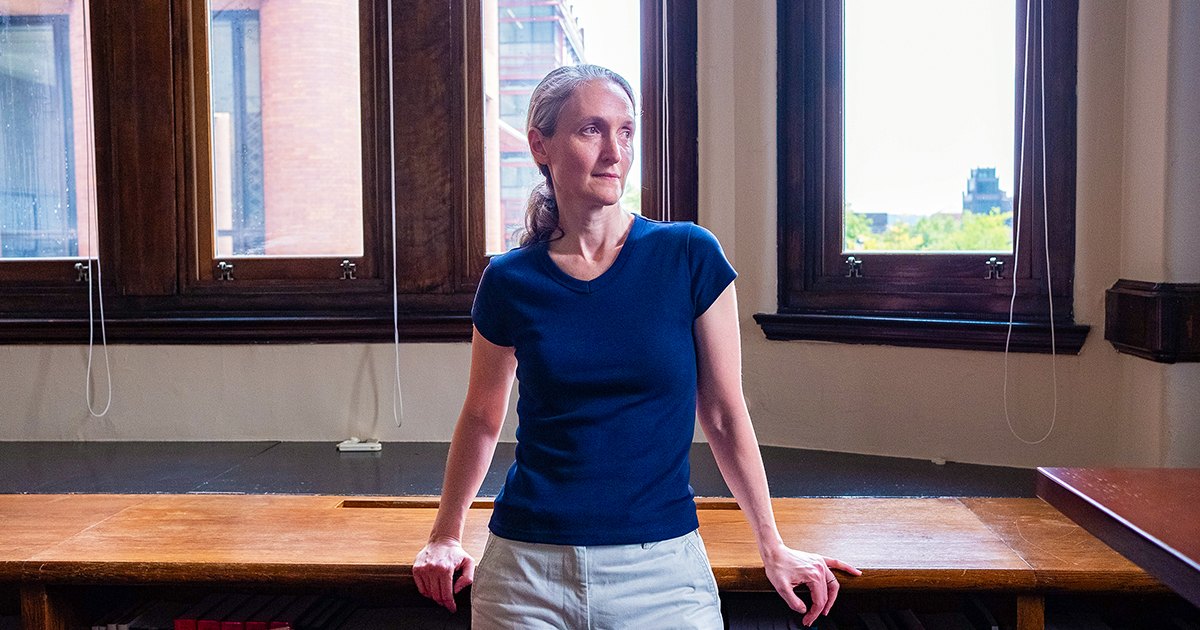
At Fermi Lab, searching for a fleeting whisper of reality—muons transforming into electrons—has suddenly found itself caught in the crosscurrents of Artificial Intelligence. Through the DOE’s ambitious Genesis Mission, twenty-seven eight funded projects are weaving AI directly into fundamental science. Take Sarah Demers and her team managing the intricacies of Mu2e.
Optimizing experiments involves countless dials: magnet strengths, timing sequences, targeting placements. She acknowledges that fine-tuning these colossal instruments often skirts the border between rigorous measurement and sheer craftiness; "it can feel like it’s more of an art than a science." Having AI capability assisting in navigating that vast parameter space is described simply as a "godsend."
But this practical application sparks something larger inside physics departments everywhere. Facing tools potent enough to reshape methodology demands confronting bedrock assumptions. Demers leads efforts through APS aiming to define policies because the essential query looms heavy: What survives?
Amidst computational acceleration, what defines the persistence of practicing physics? Her reflection offers nuance: whereas younger researchers might face humiliation needing simple procedural answers—“How does this work?”—seasoned minds hear whispers suggesting Large Language Models function as collaborators, genuine sounding boards for refinement and reference retrieval.
These teams aren't retreating from innovation; they are aggressively engaging it to test its edges while fiercely guarding the immutable kernel of discovery itself.
← all posts
Comments
Loading comments…