

opinion tech single source: Nature News
The Benevolent Watchdog: When Sleep Optimization Becomes Corporate Oversight
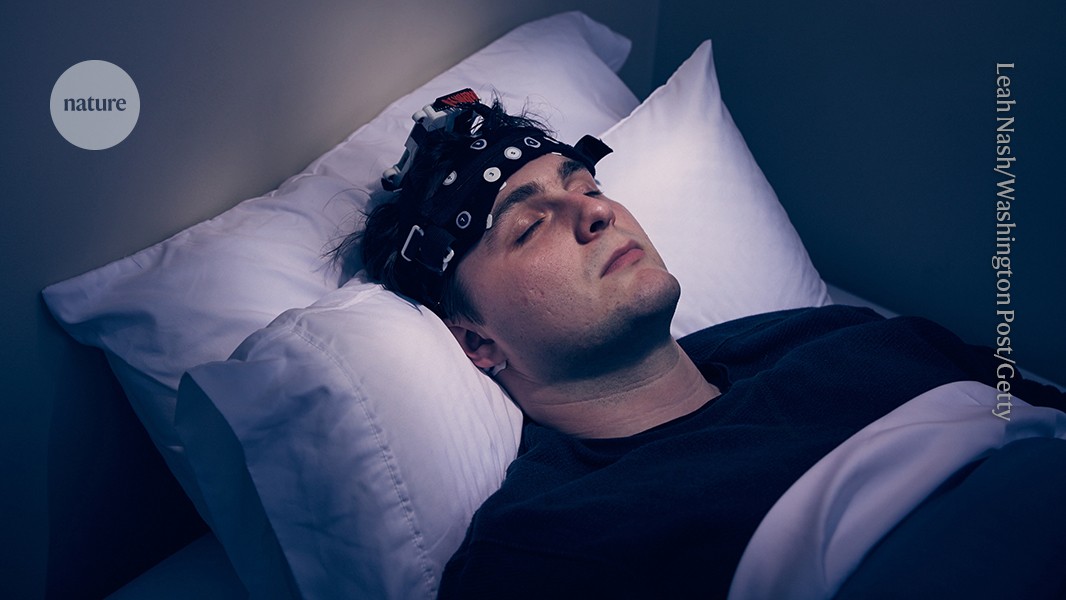
When exhaustion hits the wheel, the danger rivals intoxication. But stepping into the office drowsy rarely carries the same immediate threat of dismissal. This asymmetry—the high stake of fatigue in public versus the lower penalty in a cubicle—is where modern wellness tech finds its precarious footing.
Sleep is foundational; it underpins everything from clear thinking to emotional balance. Yet, globally, a third of adults struggle to meet the recommended seven hours, leading to massive economic losses and serious health risks. While sleep deprivation is rooted partly in societal structures and workplace demands, technology offers seductive solutions.
Wearables and sophisticated AI are becoming adept at charting our deepest cycles, generating personalized feedback aimed at tweaking habits like bedtime or caffeine intake. Some interventions—gentle sounds or tailored motions—promise to smooth out restless nights. On paper, this feels like proactive healthcare.
However, the boundary between ‘care’ and ‘control’ dissolves rapidly under institutional pressure. Consider this: if improving rest yields quantifiable gains for productivity or safety, what happens when that becomes an unspoken expectation? Past attempts have shown this tension playing out legally; back in 2016, authorities scrutinized companies whose employees were tracked via sleep-monitoring devices because consent couldn't truly be free amid a power imbalance.
Sleep enhancement seems softer than mandatory drug regimens for focus enhancement, making it easier for organizations to frame monitoring as mere support rather than intrusion. An employer cites studies suggesting improved engagement following sound-assisted sleep programs; suddenly, optimal rest transforms from a personal necessity into a measurable metric of corporate compliance.
The quiet surveillance begins not with coercion, but with the appealing promise of better functioning.
← all posts
Comments
Loading comments…