
news games report / rumor
The Clean Cut Lie: Why Ownership Doesn’t Equal Care
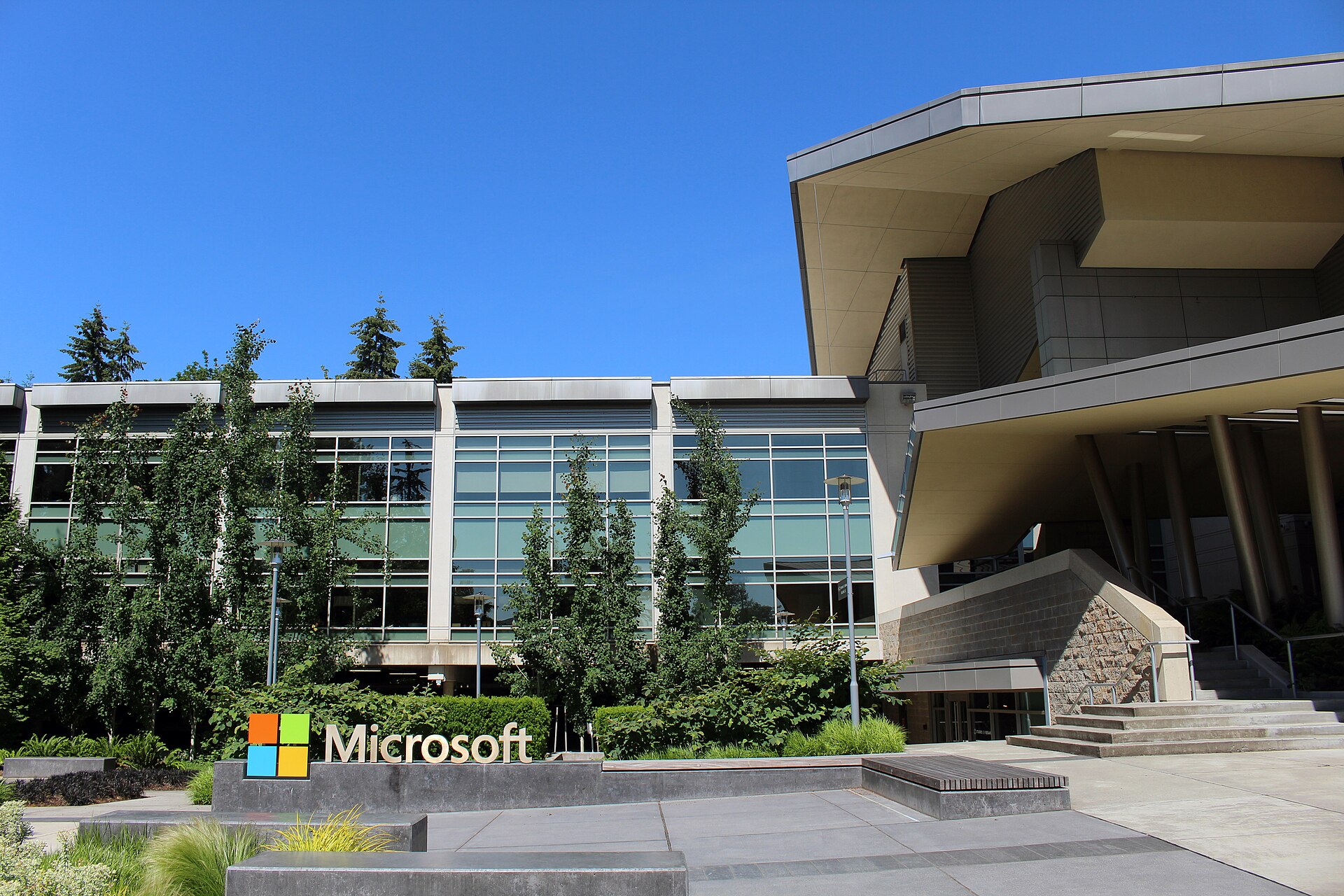
When a giant buys a studio, we’re supposed to cheer. We nod at the spreadsheets and whisper about ‘synergy.’ We tell ourselves that bigger means safer, that the parent company’s halo protects the little spark inside.
It sounds noble. It tastes like progress. But what happens when the acquisition stops being a hand on the shoulder and starts feeling like a leash?
The recent wave of layoffs at Xbox, across studios like Bethesda, Zenimax, and ID, ripped open that tidy narrative. It’s not just bad business—though it absolutely is. It’s something colder: a lesson in how ownership can become erasure wearing a suit coat.
I read the reports detailing those mornings. Walking into an office only to be told, ten minutes before the axe fell, that your world was suddenly gone. Receiving that news on a clipped video call, barely thirty seconds long.
Then watching your keys vanish from your digital pockets within forty-eight hours, scrambling for answers in a closing mailbox. That sequence isn’t efficiency. Efficiency doesn’t require playing God with someone’s sense of stability.
Here is where my skin prickled: this wasn't just panic. There were whispers about care vanishing before the cut. Developers telling themselves they were fine because they hit metrics demanded by distant suits.
Showing up and proving worth according to a scoreboard, not because they believed in the game anymore. One person asked why they didn't wait to see if a DLC would land before killing the whole garden—a quiet question heavier than any press release could be. When decisions are made in glass towers based on lines moving faster than lives, talent becomes fungible.
Skill becomes temporary collateral. Eventually, people stop bringing their best selves because their best self has no guaranteed shelf life. Why polish something until it shines if one careless memo can wipe it clean?
Being "owned" used to mean protection: resources, reach, survival past the first hard winter. But when the transaction shifts—when loyalty is traded for line-item value; when feedback dies because it threatens profit margins—ownership curdles into tenancy without rights. You live inside someone else’s grand plan and start believing their map is real, even when their compass spins madly in smoke.
They say there are no benefits to being owned by Microsoft today, and I believe them because I watch how care vanishes in hallways like that: slowly, professionally, brutally polite until nothing remains but paperwork where heart used to be.
← all posts
Comments
Loading comments…