

opinion tech single source: Science News
The Ghost in the Machine: When Your Voice Becomes Public Property
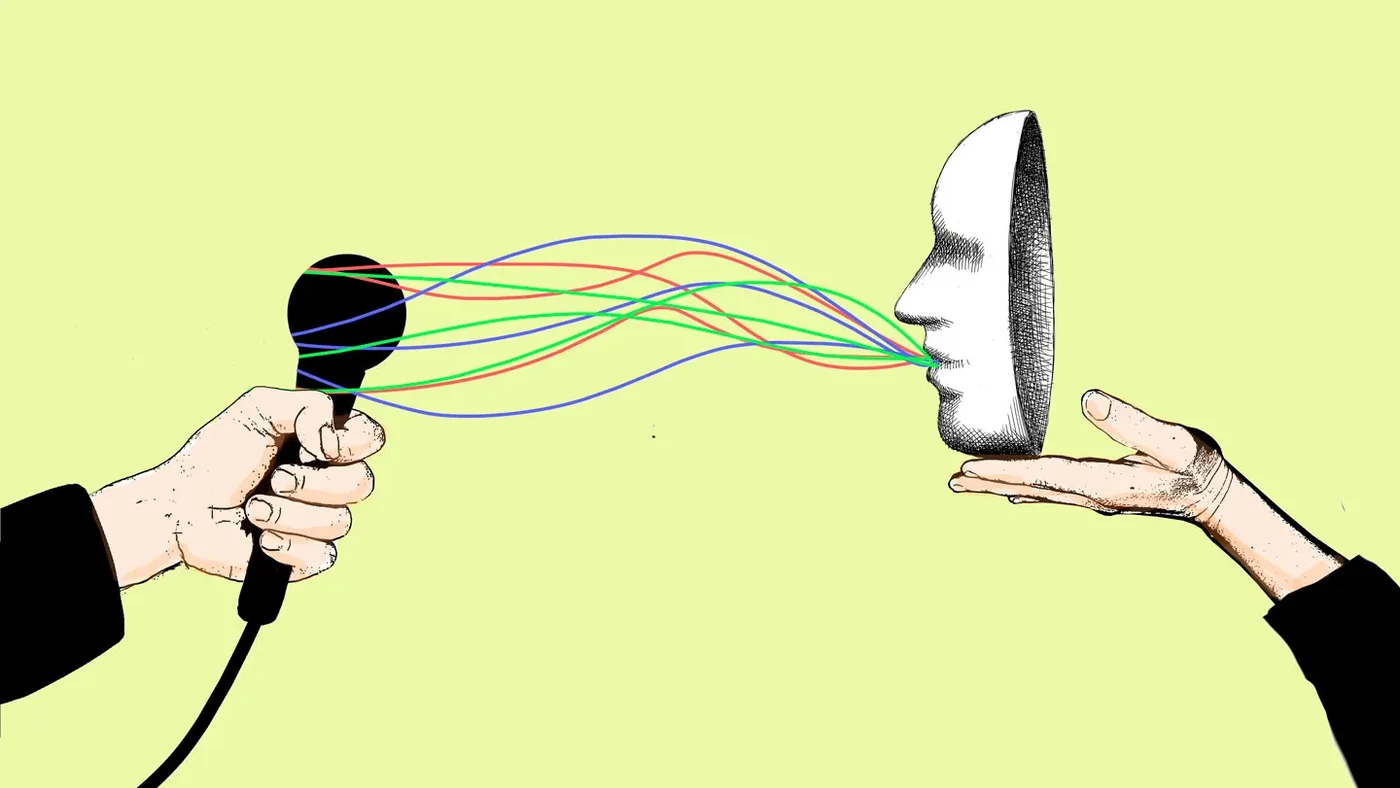
It feels like we’ve crossed a threshold without realizing it. We’ve been handed a tool—an AI capable of cloning the very essence of a person’s voice—and the resulting proliferation of synthetic sound is ushering in a chaotic, dual-edged reality. It’s not just another technological advancement; it feels like a subtle theft of self.
As Hany Farid, a computer scientist at Dartmouth University, puts it, "Today, with nothing more than a keyboard and an internet connection, you can type, and you can get an image, a voice, or a video of anything... Anybody doing or saying anything.” This isn't science fiction anymore; it's readily accessible.
And the speed is staggering. The AI can map your vocal signature with roughly twenty seconds of audio—a mere snippet—and render it with startling accuracy.
On one hand, this power offers profound comfort for those who have lost their ability to speak; these clones can be lifelines. But on the other side? The darkness is immediate and tangible.
We are seeing sophisticated attacks where North Korean IT workers penetrate Fortune 500 companies by disguising their voices and accents while executing content credential resets. These aren't theoretical threats; they are happening now across global corporations.
We spent years normalizing the erosion of our Personally Identifiable Information (PII)—our addresses, our bank details—and thought we might hold onto one final frontier: our unique self, our voice. We were wrong again. Now imagine having all the data points about you available online, only to find that someone else can mimic you.
As Farid notes, "Think about how powerful that is. And think about also how helpless I am." That helplessness when you have no control over billions of potential calls unfolding hourly because your likeness has been co-opted? That chills me profoundly.
This crisis touches everything from corporate espionage to politics during election cycles where deepfakes are already being deployed against opponents in ways we barely comprehend yet fully accept as possible news footage from my laptop screen today in late 2026. Even smaller tragedies emerge—like reports out of Chicago involving addiction to talk lines costing thousands—showing how easily these technologies intersect with human fragility and need exploitation becomes rampant business practice online through services promising chats with dead loved ones via an orange button labeled "bring them back to life."
But perhaps the most unsettling area is that murky gray zone surrounding death itself: What happens to your digital echo after you’re gone? Dylan Thomas Doyle spoke about this grappling point during his TEDx talk discussions; his choice was clear: he requested his voice die with him unless intentionally preserved in what he left behind deliberately captured media.
It forces us to confront authenticity head-on: Is a perfect simulation truly you? Or is it merely an incredibly detailed performance built on stolen biometric data?
We have reached a point where trusting what we hear digitally requires constant vigilance against fabrication. The barrier between genuine presence and flawless imitation isn't just dissolving; it seems poised to vanish entirely if we don't establish new ground rules for digital sovereignty before everyone loses control over their own auditory shadow cast across the network.
← all posts
Comments
Loading comments…