

The Void in the Parody: Why You Can’t Automate Personality
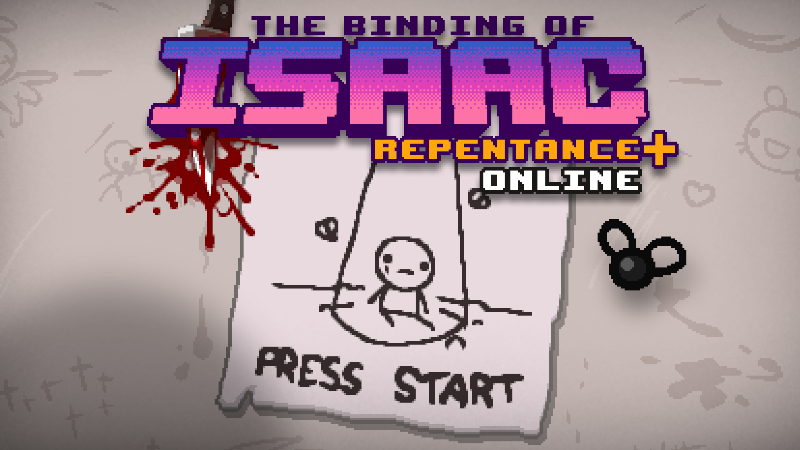
The recent fallout surrounding The Binding of Isaac: Repentance+ is being framed by much of the industry as a simple case of "mismanaged assets" or a "communication breakdown." When Nicalis pulled the AI-generated music from their Grand Theft Auto VI-themed daily run following a wave of Steam backlash, the narrative became one of accidental oversight—a developer waking up to a "shit show" they didn't realize they had authored.
But looking at this through the lens of what Isaac actually is, that explanation feels insufficient. It wasn't just an error in labeling; it was an error in intent.
To parody something as massive and culturally loud as a GTA launch requires more than just matching a tempo or mimicking a genre. Satire is an act of aggression; it requires a perspective, a target, and most importantly, a human sense of irony. When you use Suno to generate music intended to spoof the hyper-commercialized energy of Rockstar Games, you aren't engaging in satire.
You are merely producing more noise. You are using an algorithm to mimic the very emptiness that satire is supposed to critique.
There is a fundamental paradox at play here: trying to use generative AI to poke fun at corporate bloat is like using a photocopy of a photocopy to explain why the original was too blurry. The nuance is lost in translation because there was no soul in the reproduction to begin with.
The anger from the Isaac community—the "AI slop" reviews and calls for refunds—isn't just about technological purism or fear of change. It’s about agency. For over a decade, this franchise has thrived on its grotesque, idiosyncratic, and intensely human touch.
Players return to these halls because every asset feels like it was placed there by someone with an opinion.
When we substitute human creative decisions with prompts—even under the guise of "topicality"—we introduce a porosity into our creative pipelines that shouldn't be there. We allow for moments where creators "wake up" to find their work populated by assets they didn't vet and didn't authorize. This creates a dangerous distance between what an artist intends and what the player experiences.
Nicalis has patched the game and removed the files, but they haven't addressed the deeper symptom: how easily intention can be bypassed by convenience. We can prompt machines to mimic genres perfectly, but we cannot prompt them to care about why those genres exist or why we are laughing at them. In a medium built on connection, that distinction isn't just technical—it’s everything.
Sources
- GamesIndustry.biz — Nicalis removes AI-generated music from The Binding of Isaac: Repentance+ after player backlash
- Rock Paper Shotgun — Undisclosed AI-generated music pulled from The Binding of Isaac Repentance+ update, as attempt to get satirical on GTA 6 launch day goes awry
- Eurogamer — Binding of Isaac dev pulls AI-generated music from Repentance+ after players expose it
Comments
Loading comments…